Making Local: Sarah Built the Market She Wished She Had
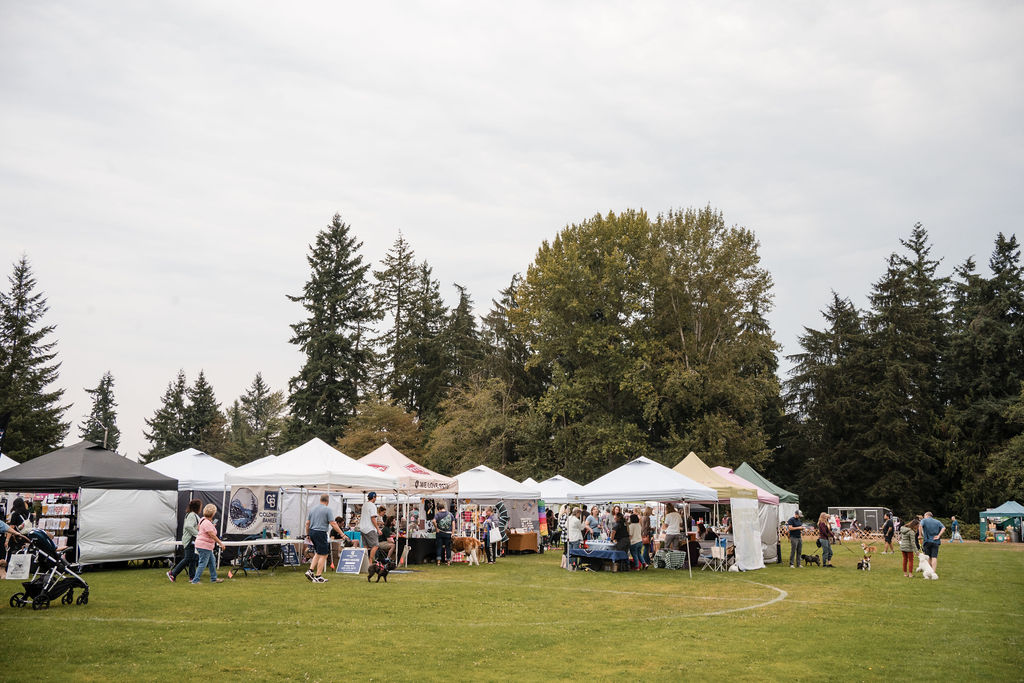
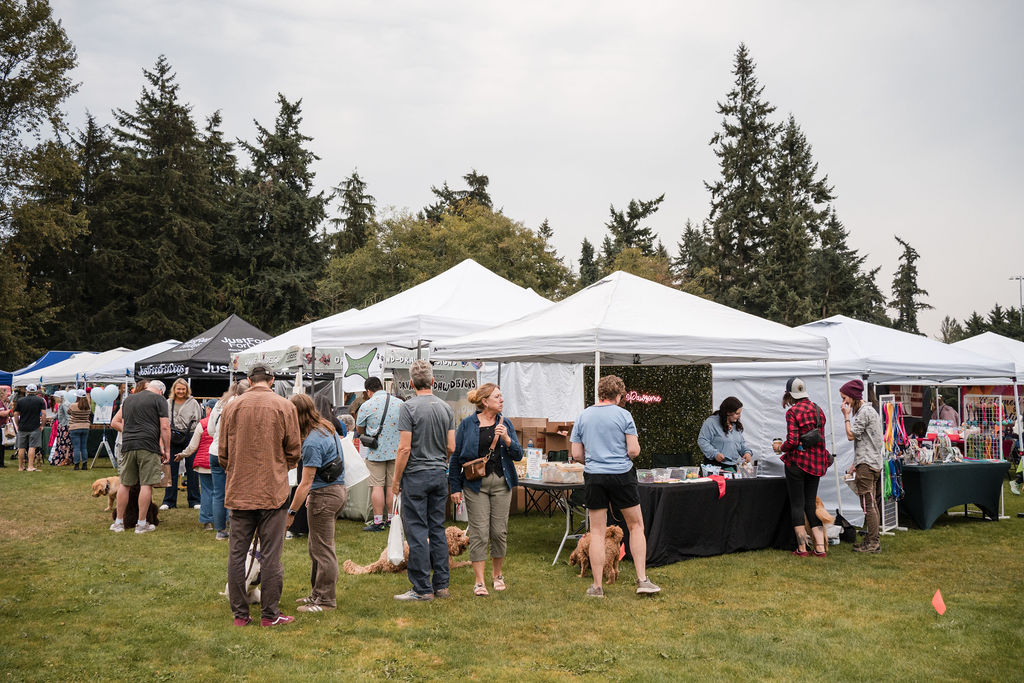
On a Saturday in Downtown Bothell, a few hundred people move between white 10x10 tents — ceramics, letterpress cards, sun catchers, a malasada truck with a line out the side. It looks effortless. It isn't. Someone spent months jurying applications, pulling fire permits and building the playlist song by song.
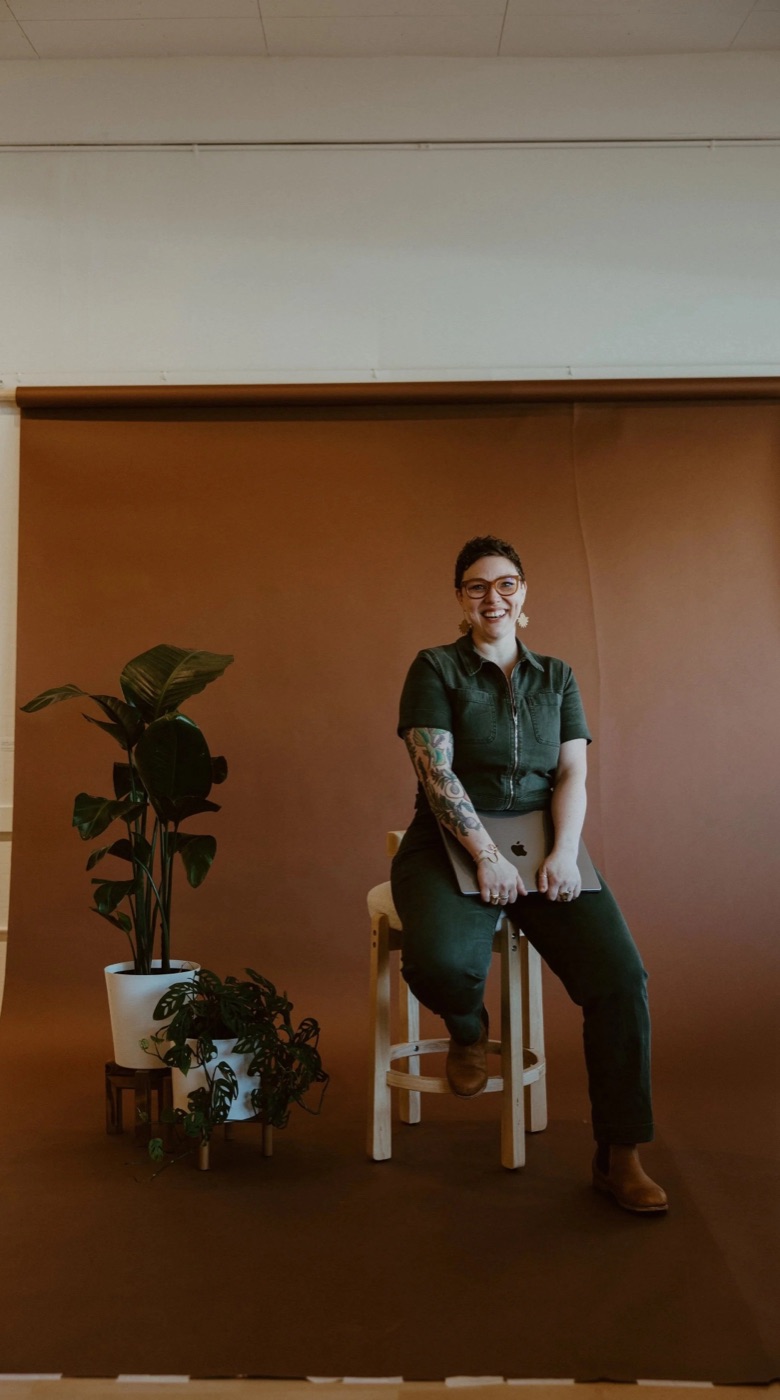
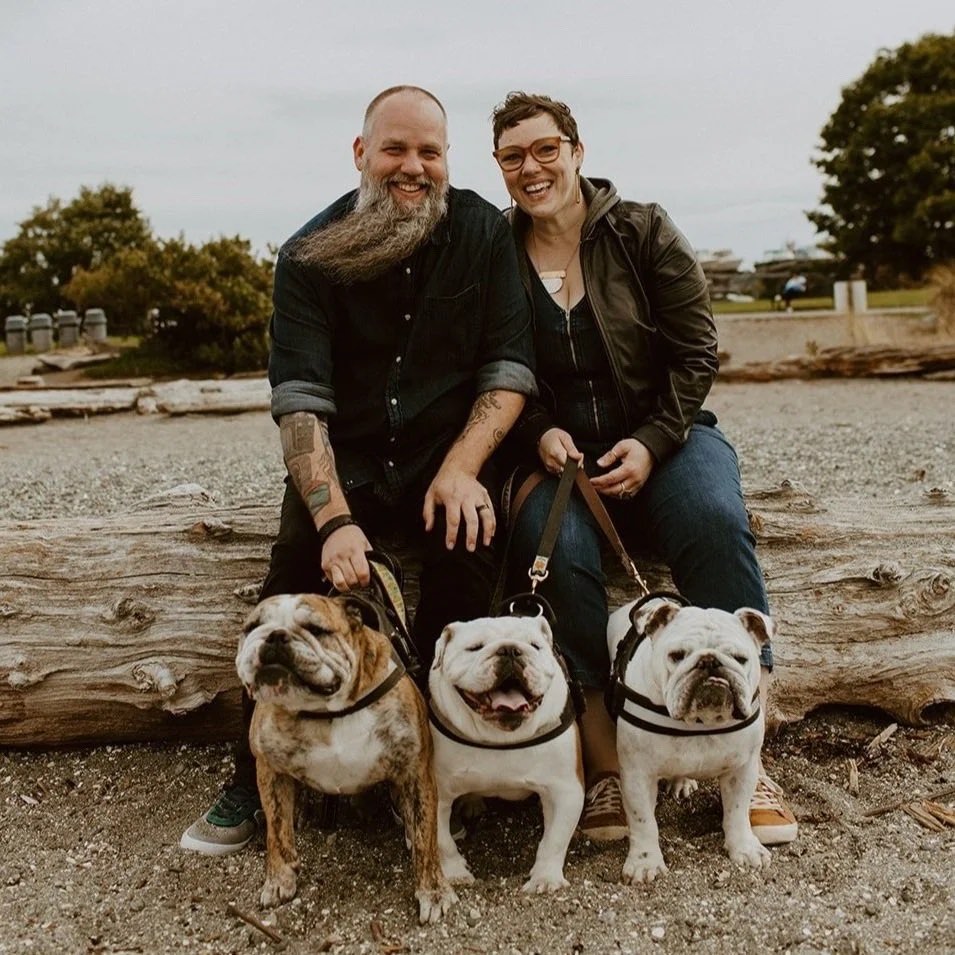
That someone is Sarah, who runs Making Local. She's been at it since 2021, and what started as a market in one downtown has grown into a full calendar — plus consulting, resources and education for the micro handmade businesses that fill the booths.
The distinction matters. Plenty of people organize markets. Fewer treat the market as one piece of a larger job: helping small makers figure out how to actually run a business.
Four things, and only one of them is the market
Ask what Making Local does and the market is the obvious answer. It's also the smallest part of it.
A calendar of juried outdoor handmade markets and themed festivals across Downtown Bothell and Mountlake Terrace, free to attend, rain or shine — plus food trucks and a custom playlist for every single event.
Paid sessions for handmade businesses on the unglamorous things: defining a niche, pricing your work, writing an application that gets accepted, and building a booth that sells.
A blog and resource library covering the practical side of vending — what you legally need, what to bring, how to set up — so the information isn't locked behind knowing the right person.
Tents, tables and chairs available to rent, which removes the several-hundred-dollar equipment barrier standing between a new maker and their first market.
Taken together it's less an events company than a ramp into selling your own work — Sarah's answer to the fact that the hardest market a maker ever does is their first one.
From vendor to host
Sarah describes herself as always having been a maker, do-er and crafter. Before Making Local she sold mid-century-vibe macramé as a vendor at events all over the PNW, and the part she loved most wasn't the selling — it was being inside the maker community.
When the pandemic hit, that business stopped serving her. She didn't want to make-to-sell anymore. But the question that followed is the one that produced everything since.
How do I stay connected and involved with this INCREDIBLE group of people and community of creatives?— Sarah, founder of Making Local
Her answer was to build the events rather than vend at them. The background turned out to be unusually well-suited: a graphic design degree, years in the wedding industry as a stationery designer and event manager, fifteen-plus years of retail and customer service, real estate and renovation work, and a stint as a city government employee working with councils and commissions. Permits, logistics, design, people. She was living and working in Downtown Bothell at the time, and it was obvious where to start.
What a market can do for a maker
A wave of handmade businesses was born out of the pandemic, and Sarah kept seeing the same problems in application after application: makers who couldn't define a niche, who tried to sell to everyone, who didn't know how to set up a booth or what a market application wants, who weren't sure what they legally needed — and who didn't have the confidence to charge what they were worth.
So the markets grew a support layer around them: consulting, resources, equipment rentals, and a blog. And at every core Bothell market, at least one scholarship booth — no booth fee, a free hour of one-on-one consulting, and the loan of a tent, table and chair. It's reserved for people in their first three vending experiences anywhere, and you can only receive it once, so it keeps circulating.
Every application is juried. Sarah looks for a distinct brand and identifiable products — not designs copied from Pinterest. Acceptance to one date doesn't guarantee the next, deliberately, so more businesses get a turn in competitive categories like jewelry, candles and ceramics.
Makers and handmade businesses, plus curated vintage, plants and food trucks. No wholesale resale, no MLM, no imports for resale, no political booths. Vendors who already have a brick-and-mortar aren't prioritized — the space is for people who don't have one yet.
Sarah's stated commitment is a diverse mix of cultures, orientations, points of view, experience levels and price ranges. BIPGM-, LGBTQIA+-, AAPI- and woman-owned businesses are named on the site. The line under all of it: all are welcome here.
Booth fees cover permits, site rental, fire inspections, marketing, garbage service and restrooms. Payment arrangements are available with no judgement — the goal is that cost isn't what keeps someone from trying their first market.
I would not have developed such a community, or had such growth in my business, without her and her amazing team.— Laura, Seattle Stitchery
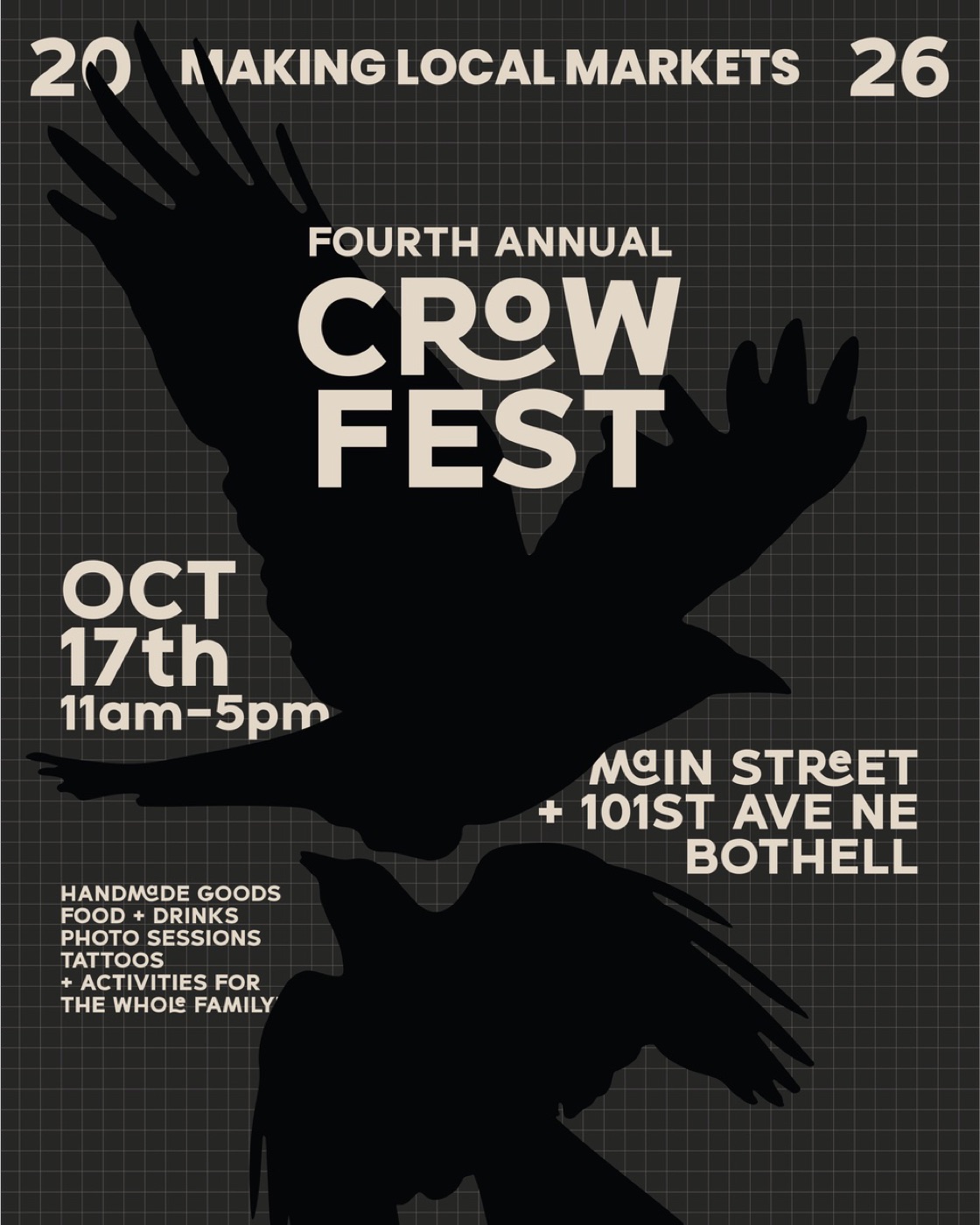
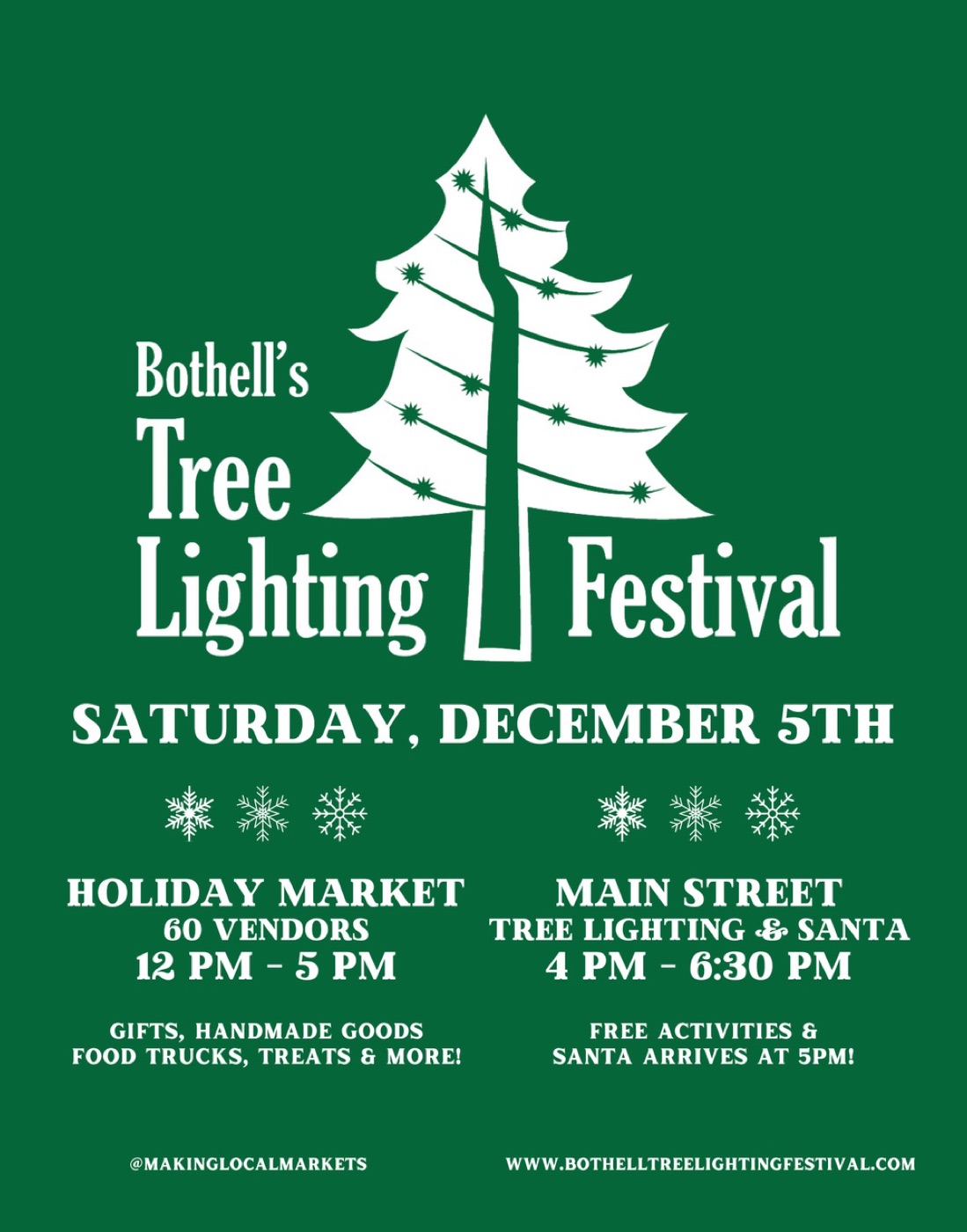
The rest of 2026
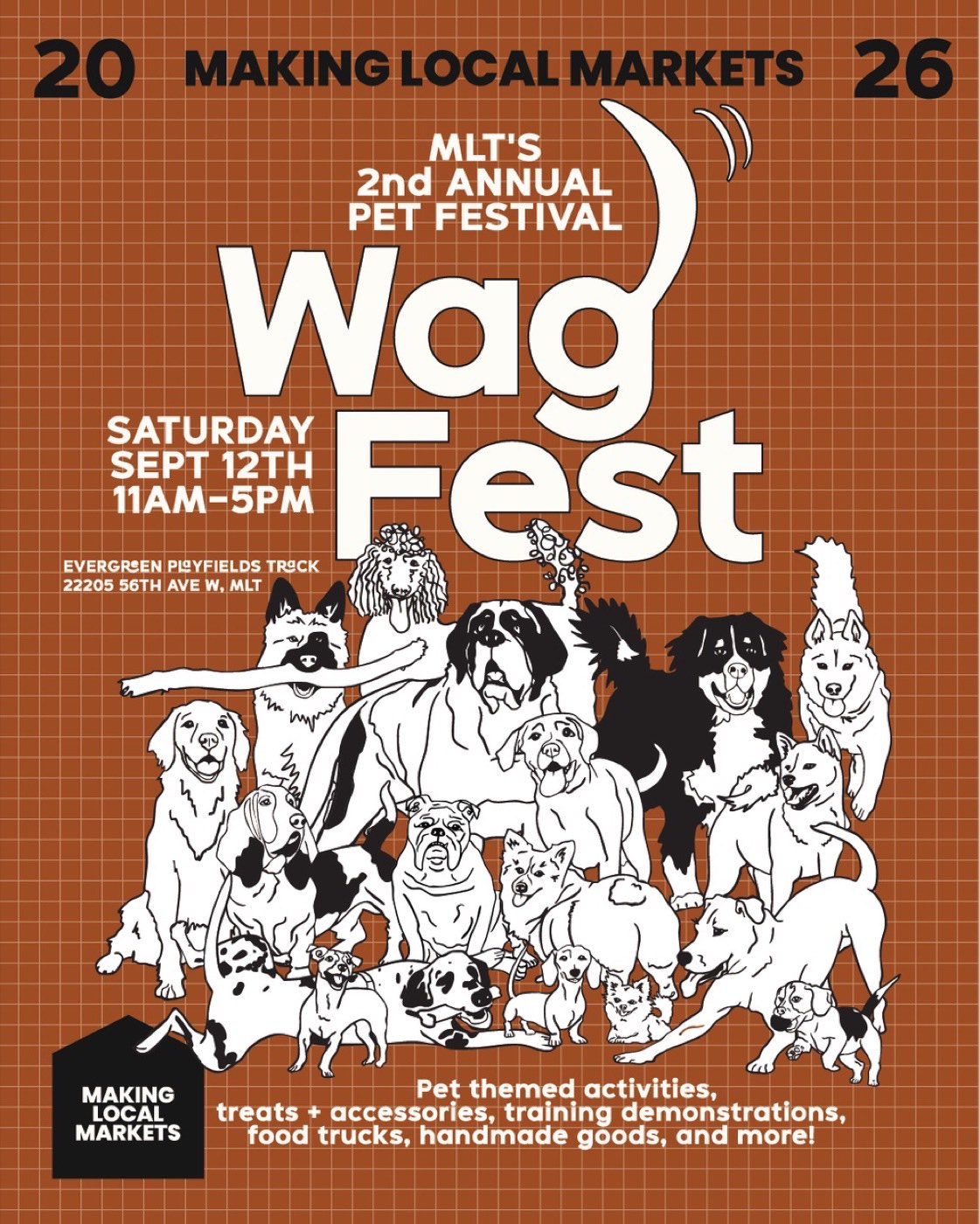
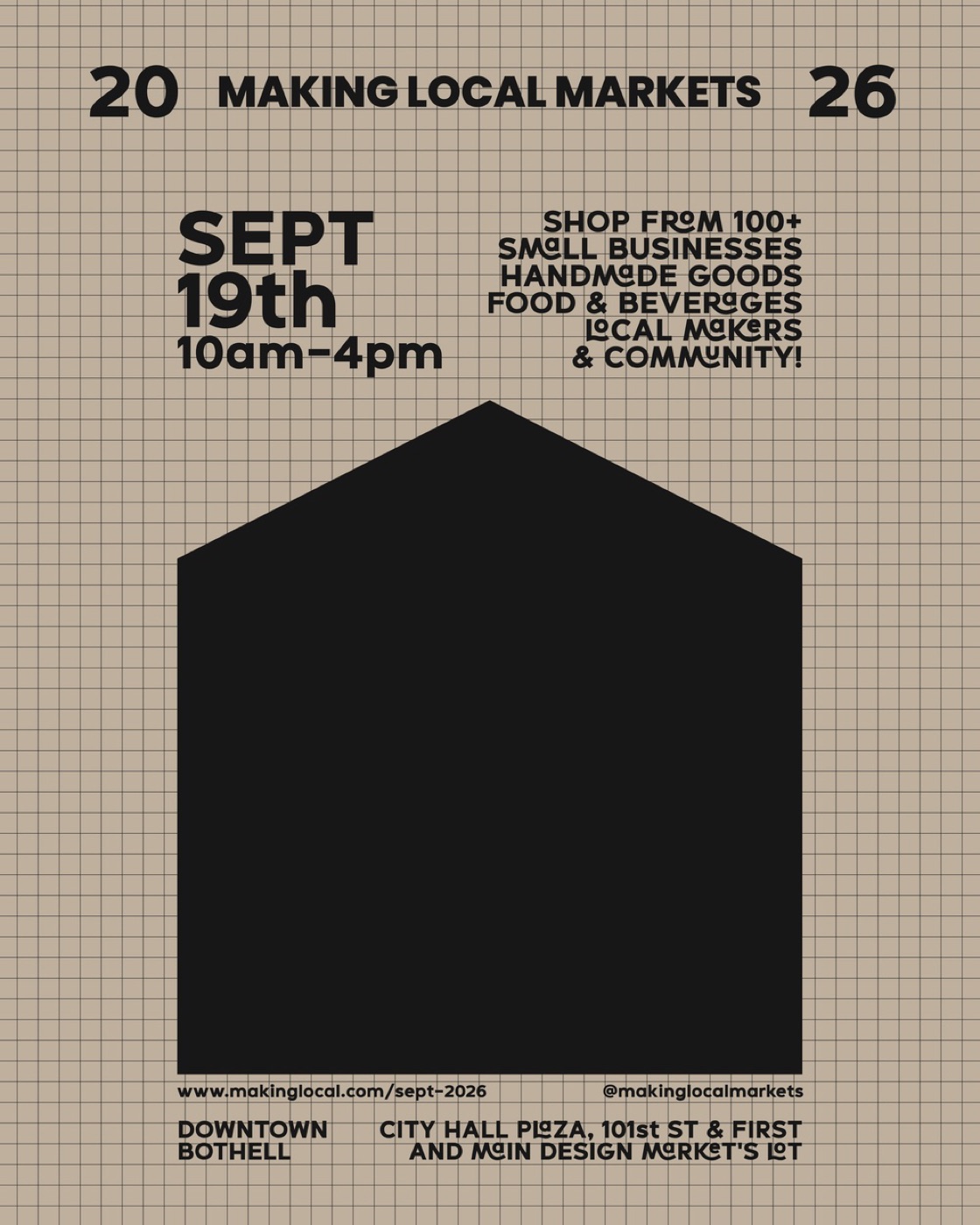
All of these are free to attend and run rain or shine. Vendor applications for the 2026 dates have closed, but shopping needs no ticket.
Why it doesn't feel like a craft fair
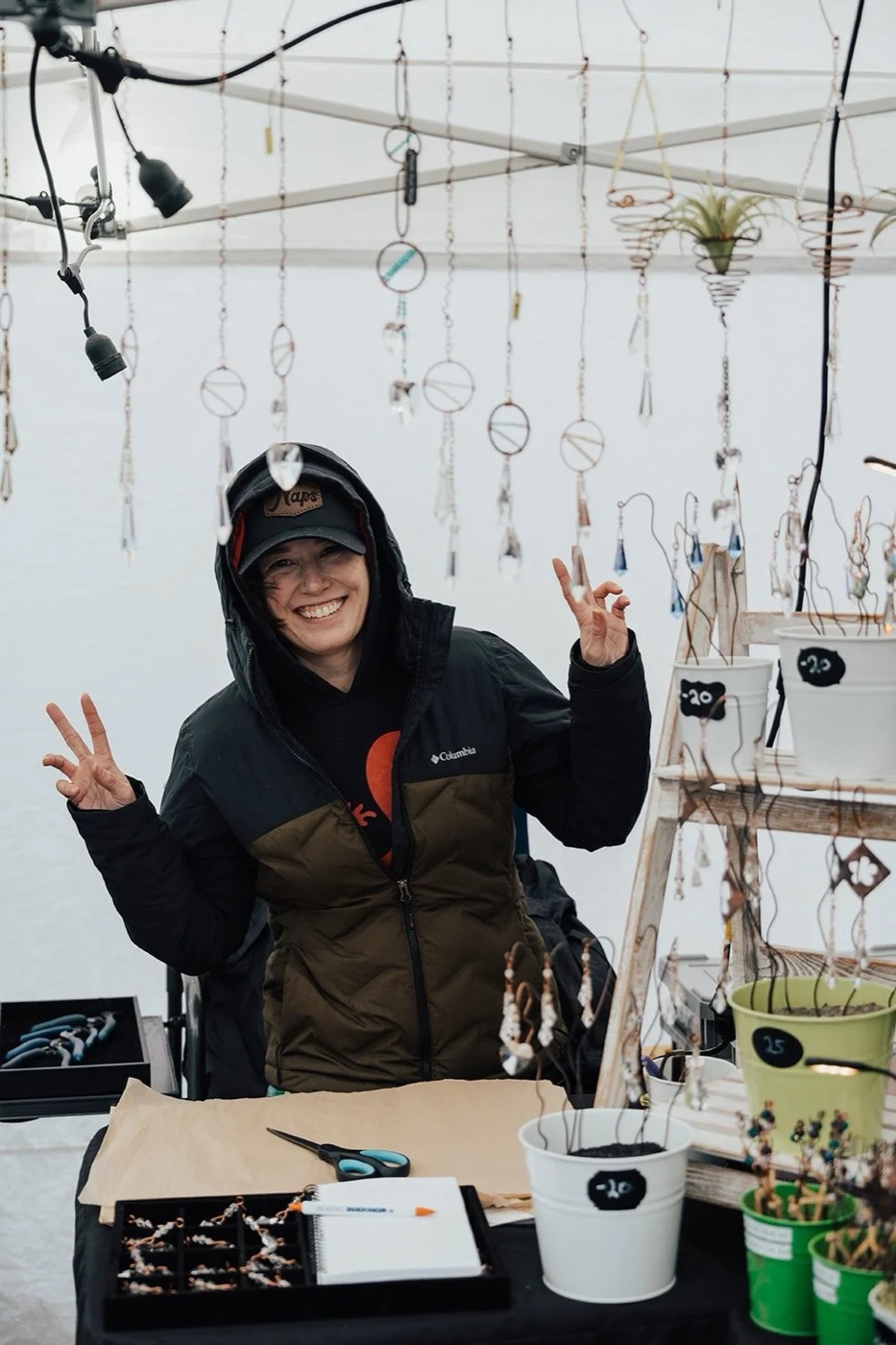
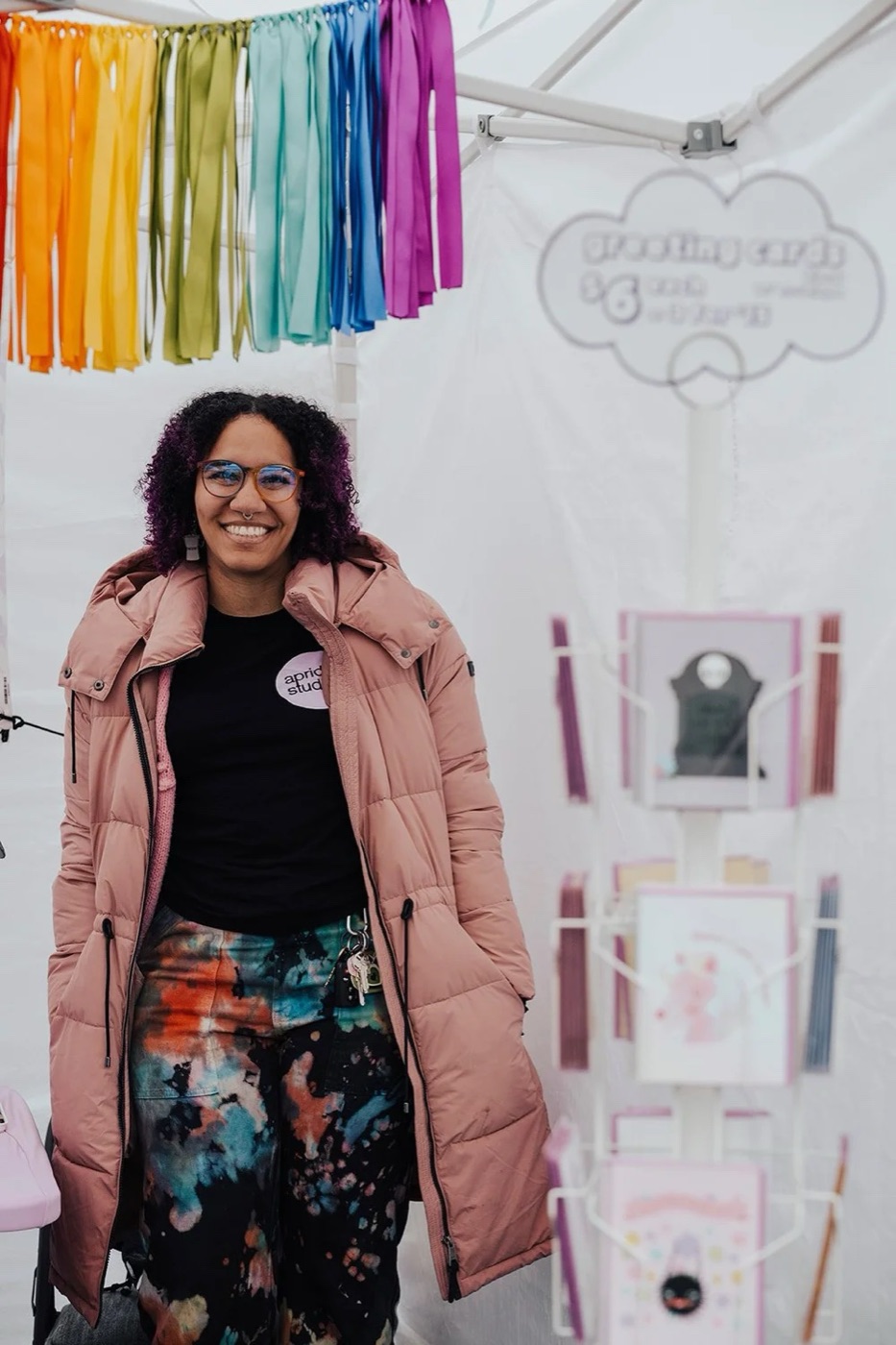
The thing worth noticing as a shopper: nearly every person behind a table made the thing in front of them. That's the whole filter, and it's why so many of the vendor reviews are less about sales than about finding a community.
Go, or apply
Life is short. Do cool shit. 🛹🎪