Inside Clay Element: Where Elmira Found Her Fire
Nestled into the hills around Issaquah, Clay Element doesn't announce itself the way a studio usually does. There's no neon, no storefront gloss — just a carved image of the studio's logo sitting quietly in the front yard, telling you before you even step inside that this place is different from anything you've walked into before.
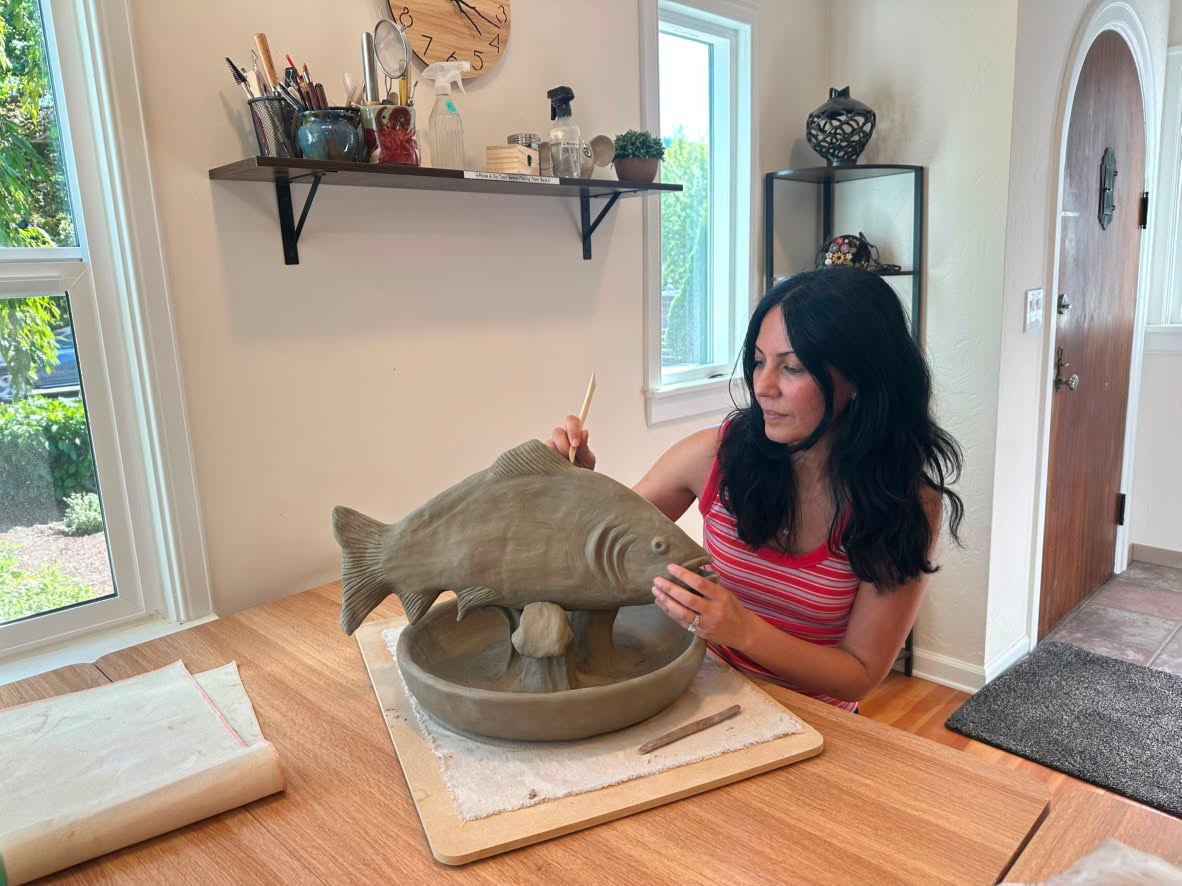
I was greeted by the owner and artist, Elmira — clay-covered hands and all. You can hear her passion before she even finishes a sentence: in her words, in her work, in her eyes.
A leap, not a hobby
Elmira came to clay later in life, after years in a different career entirely, and it resonated with her in a way nothing else had. She didn't treat it as a hobby to dabble in on weekends — she went all in, and that spark became Clay Element: a studio built, quite literally, room by room, around the classical elements.
Clay Element began as a dream I never imagined would become reality. After more than 20 years as an engineer, I took a leap of faith to follow my passion for clay. Working with clay reminds us it's okay to try, adjust, and try again. Something beautiful can always emerge when we keep going. That's the spirit of our studio, a welcoming space to work with your hands and reconnect with your creativity.— Elmira, Founder
Clay Element, room by room
The name makes sense the second you hear it — clay, of course. But walking through the studio with Elmira as she explains each room by its element, you start to get goosebumps. This isn't a decorating theme. It's the whole philosophy of the place, laid out in five rooms.
Since childhood, my hands were always drawn to creating beauty out of anything I touched. I'm opening my studio to help others reconnect with their inner creativity, just as I have.— Elmira, Founder
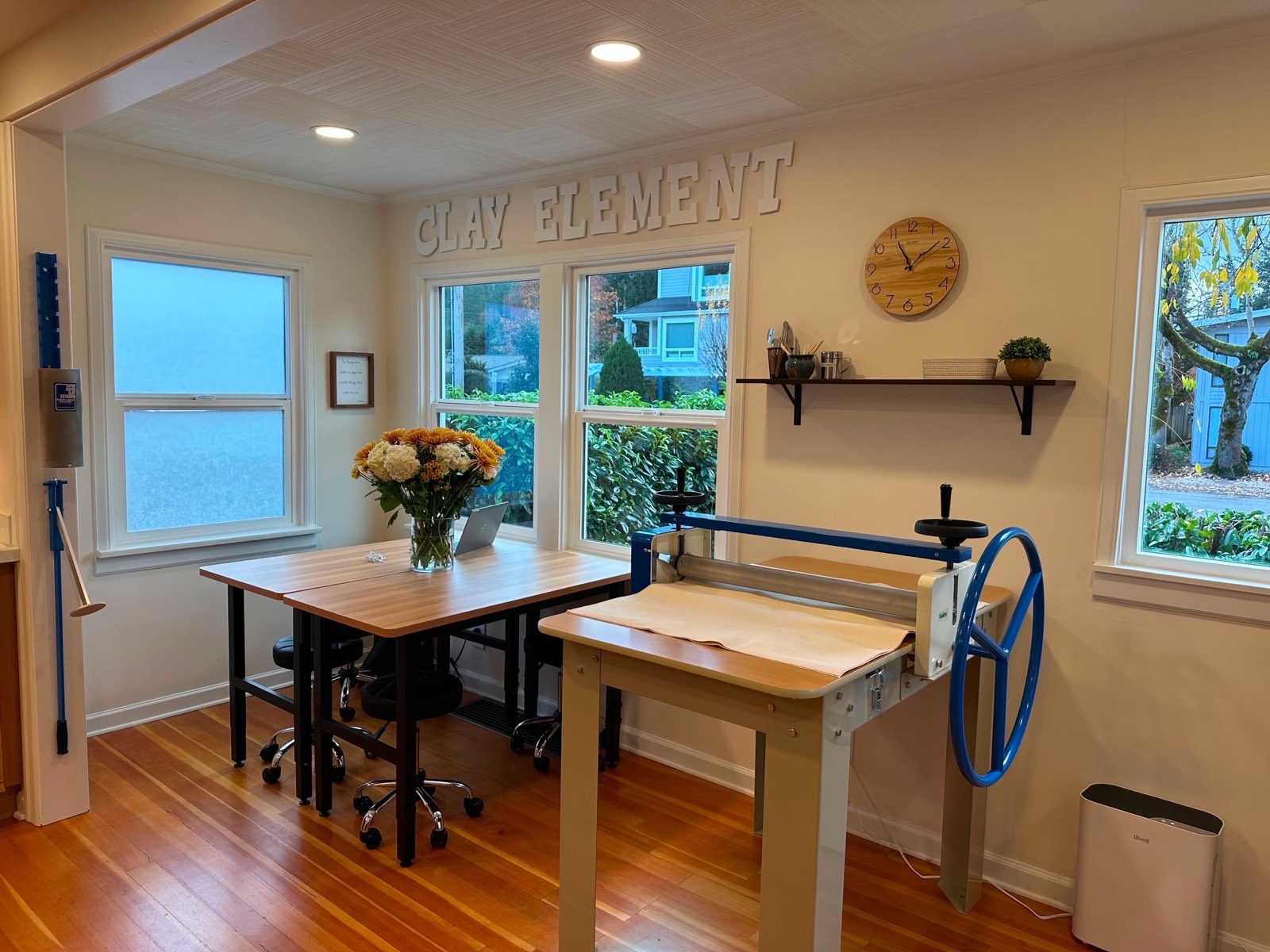
The hand-building table, where clay gets shaped freehand — no wheel, no machinery, just fingers pressing and coiling and pinching the clay into form. The setting is intimate, built for relaxed, heart-to-heart conversation between people who are often meeting for the first time. Talk moves easily here because your hands are busy and your guard is down. The conversation fills the air, the way it does when people stop performing and just make something.
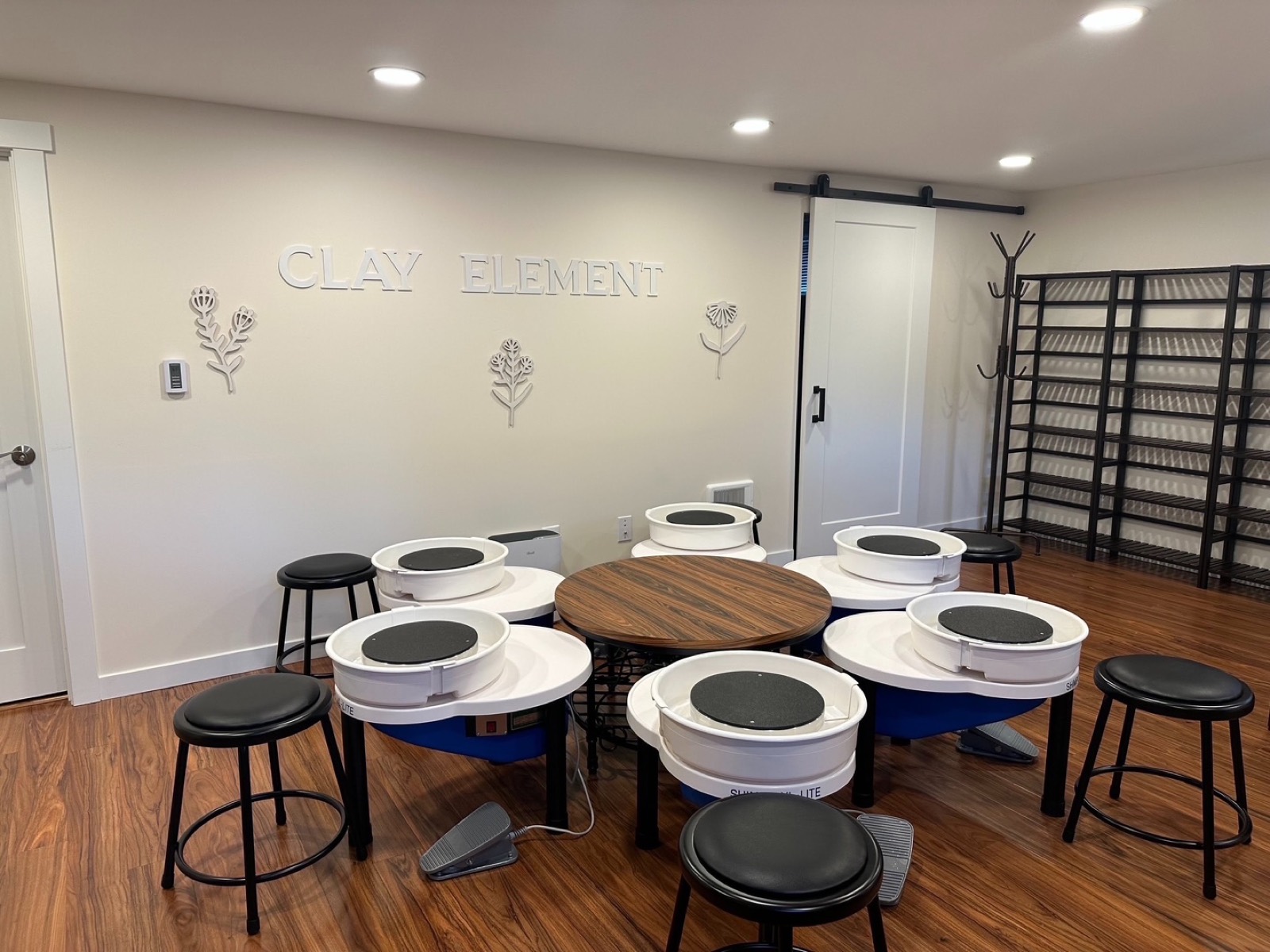
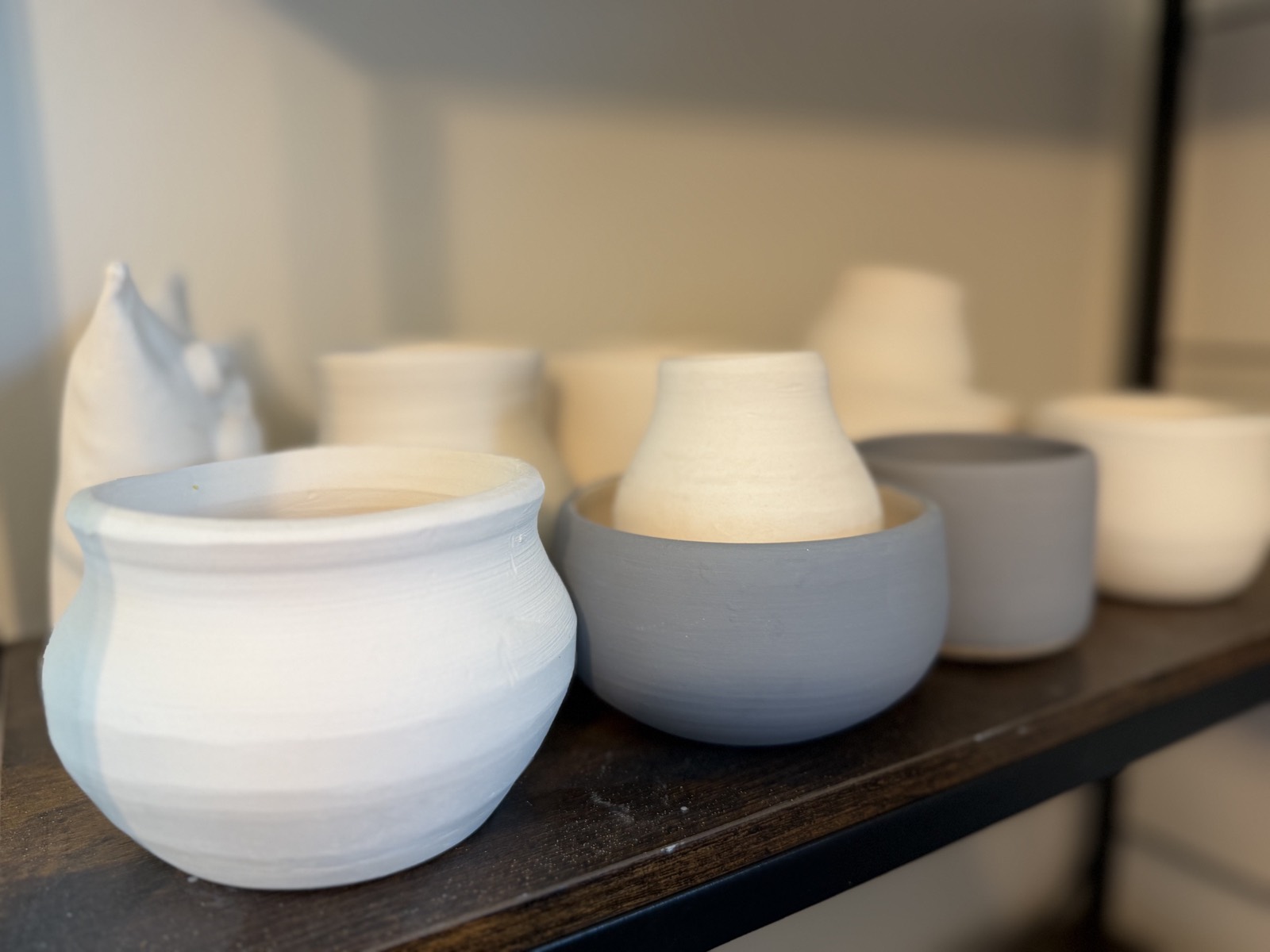
The wheel-throwing room, grounded and centered the way the wheel itself demands you to be. Clay gets molded here under steady hands, centrifugal force pulling it into shape. Around the edges, cubbies line the walls, each one holding a piece somebody's still working on — a bowl not yet trimmed, a vase waiting its turn at the glaze table. Walking past them feels like catching a canvas mid-painting, a private glimpse of someone else's process left out in the open.
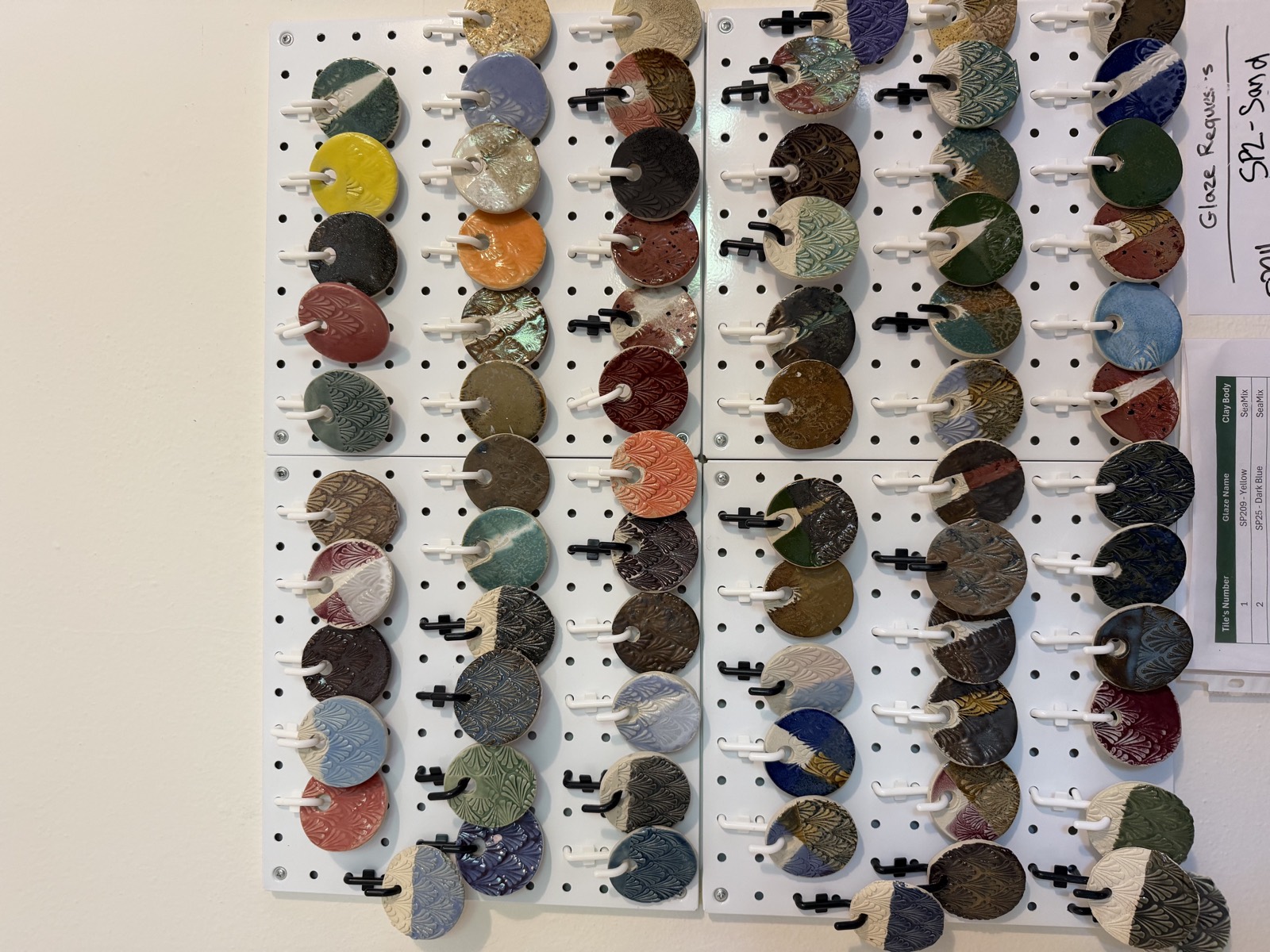
The glaze room — shelves of jars in every color, brushes, a deep sink stained from years of rinsing. This is where a plain shaped piece of clay finally gets its personality: a wash of celadon, a dip in something deep and matte, a pattern brushed on by hand. Water runs through all of it, literally and otherwise — mixing glaze, cleaning tools, softening clay that's gone too dry. It's the element that turns a shape into something that looks like it belongs to someone.
The kiln room. The reveal. Every piece that goes in soft and vulnerable comes out transformed — hardened, permanent, unable to go back to what it was. Elmira plans the firing schedule with real precision, so members know exactly when their pieces will go in and when they'll come out. There's always a little suspense opening that door. Glazes shift color under heat in ways you can't fully predict, so every piece that comes out feels like a story with its own ending.
The last element, and maybe the most important: people. Not a room so much as the feeling that runs through all the others — the workshop setting where everyone gathers and makes something together. Beginner or skilled, everyone gets their own slot and their own pace, but nobody's making anything entirely alone. It's the element that turns a pottery studio into a place people come back to.
Beginners and experts, same room, no judgment
Clay Element is built to hold beginners and experts in the same room without judgment. You can book your own slot and work at your own pace, or join one of the workshops led by a roster of passionate instructors — master potter Javier, who brings five decades of traditional Honduran technique to the wheel; Naomi, who teaches wheel-throwing built for big, functional pieces; and Brandi and Yulia, who lead hand-building sessions for anyone touching clay for the first time or coming back to it after years away.
The scheduling behind it all is just as deliberate. The kiln calendar is planned well in advance, so members can plan their own pieces around it — a small detail, but the kind of operational care you don't usually find in a small creative studio, and exactly what makes the whole thing feel effortless from the member side.
She's just getting started. There's no shortage of ideas she's still working to bring to life — new workshops, new collaborations, new ways to get more people's hands into the clay.
"When you go through the fire, the bond solidifies"
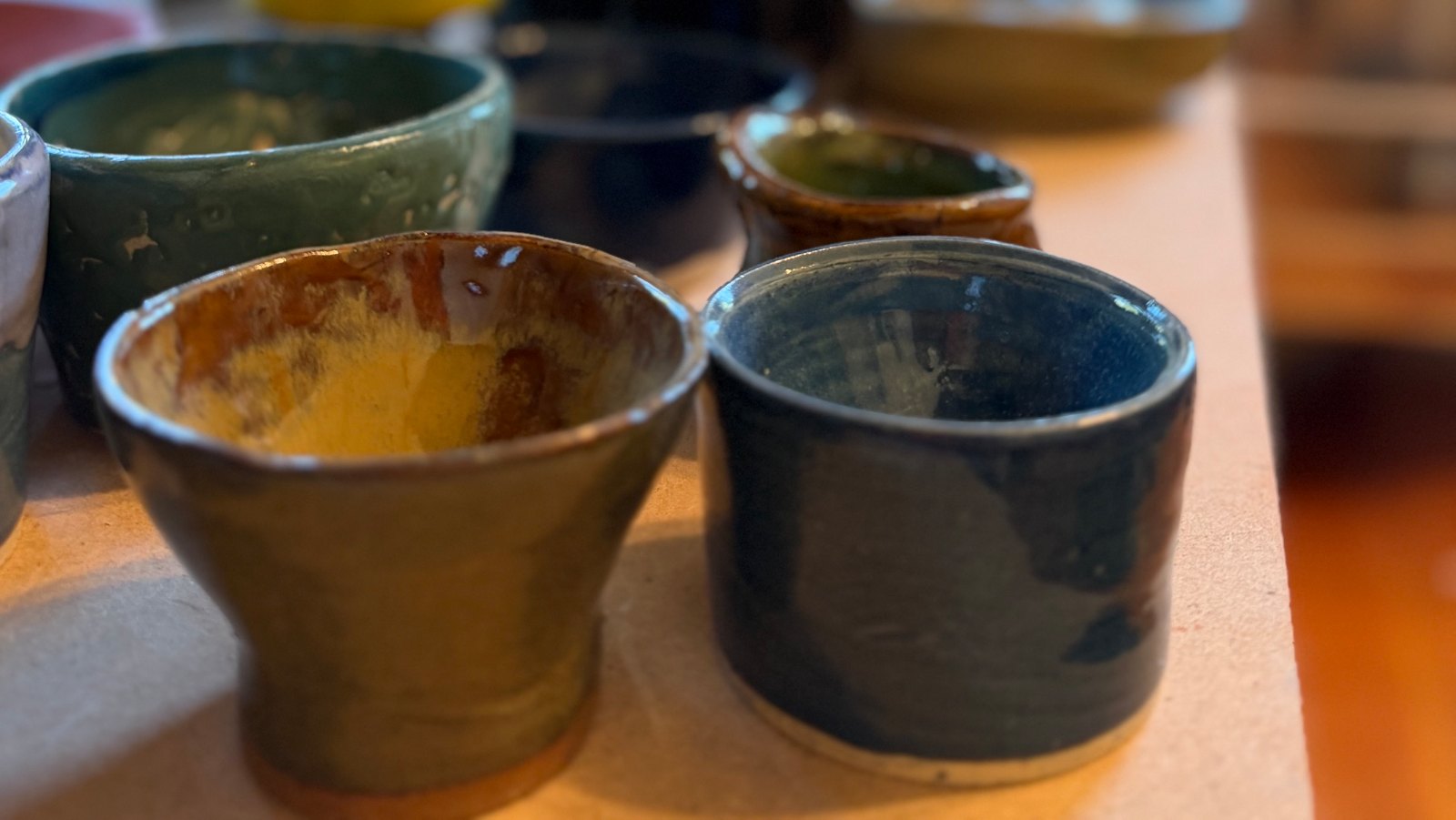
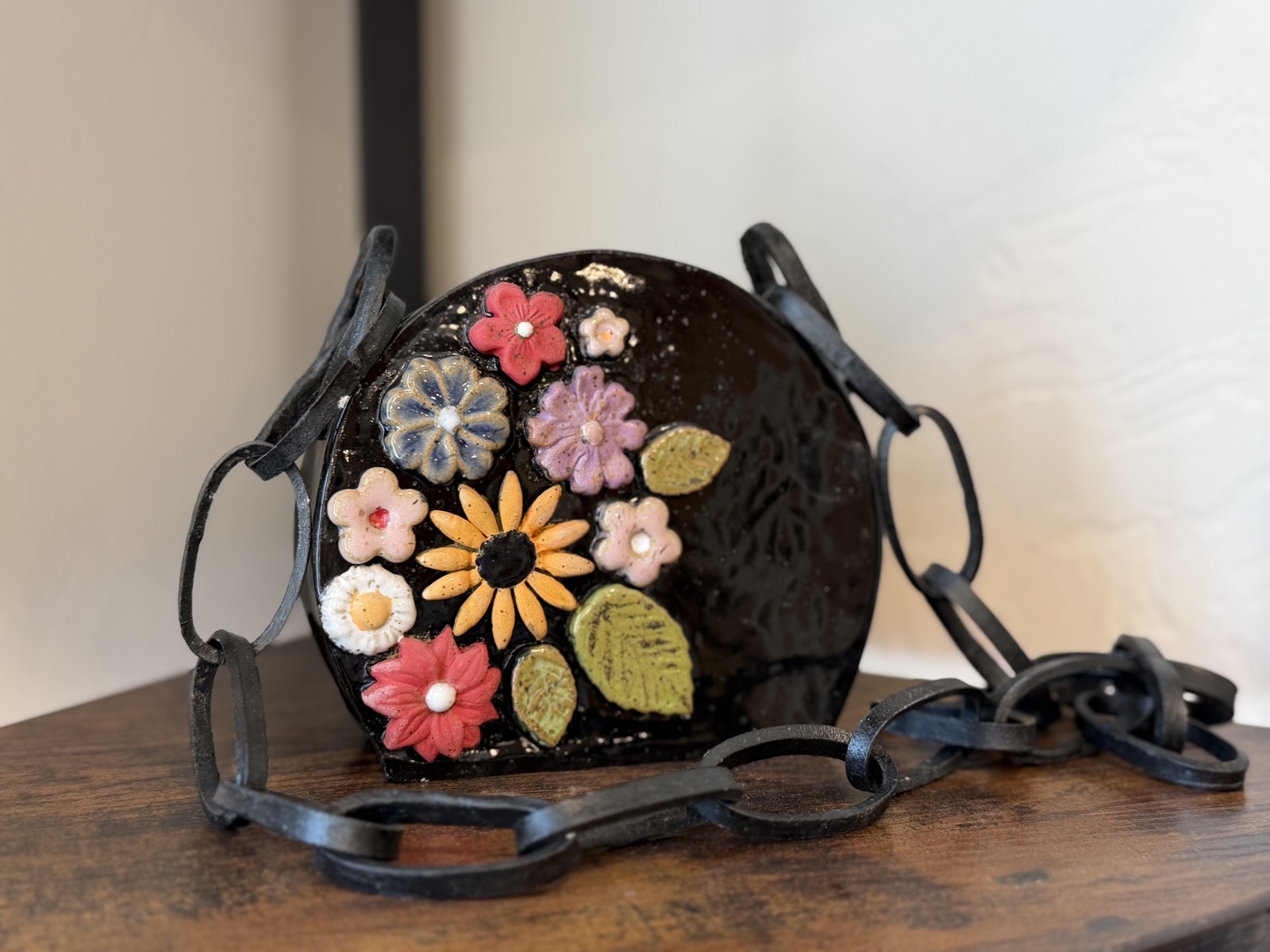
Looking at one of Elmira's finished pieces, I said I couldn't believe it was clay — it felt like metal in my hands. Her answer stopped me.
It's like any relationship. When you go through the fire, the bond solidifies.— Elmira, Clay Element
That's Clay Element in one line. A studio built around five elements, but really built around one idea: that the things worth keeping are the ones that get stronger under heat.